


June opens the door to a different kind of conversation about men’s health. Not the kind that only talks about checkups, blood pressure, testosterone, and exercise – although all of those matter. Rather, the broader topic of health – mental, emotional, and physical.
Men’s health is not only about how much a man can carry. It is also about what carrying has cost his body.
Staying “Strong”
For many men, strength is less about thriving and more about staying intact. It’s the ability to keep working, showing up, responding, providing, managing, performing, and saying, “I’m good,” even when their sleep, digestion, energy, appetite, mood, and body tension are saying something else entirely.
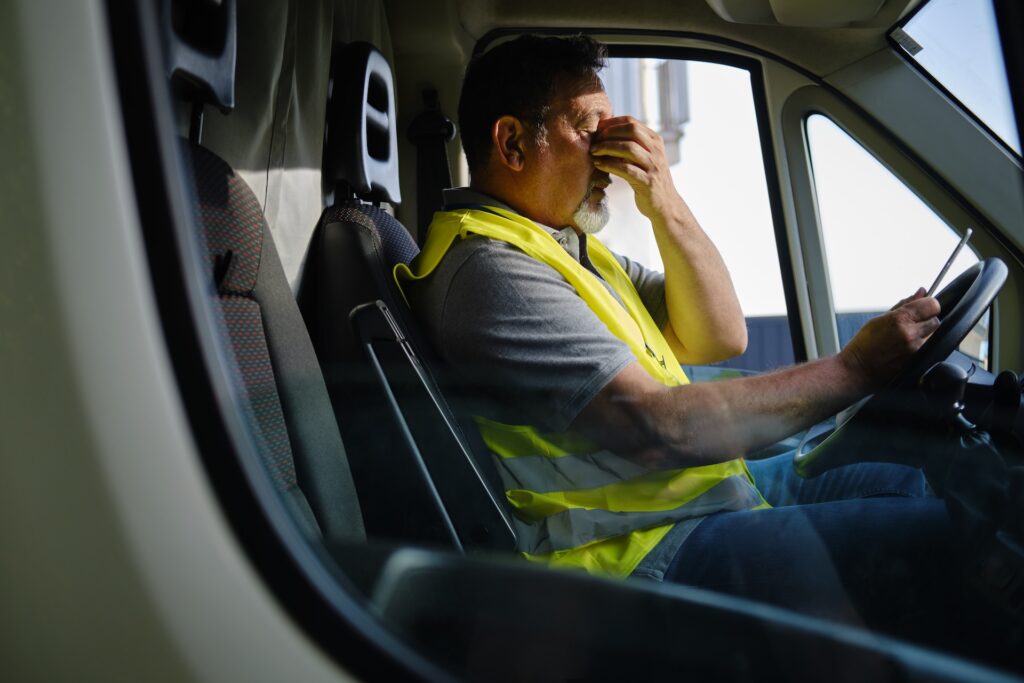
The body can adapt to almost anything for a while:
- Caffeine instead of nourishment
- Alcohol instead of rest
- Distraction instead of connection
- Tension instead of emotional release
But adaptation is not the same as wellness.
What Your Body is Telling You
When someone has lived through prolonged stress, trauma, addiction, emotional pressure, or years of having to stay strong, the body often develops protective patterns.
The body may tighten, scan, and stay alert. It may hold breath higher in the chest, keep the jaw clenched, shoulders lifted, stomach guarded, and sleep lighter than it should be. Over time, those protective patterns can start to feel normal.
He may think that:
- Anxiety is just restlessness
- Overwhelm is just irritation
He may not connect his digestion to stress, his cravings to depletion, his poor sleep to a nervous system that does not feel safe, or his emotional distance to a body that has learned not to feel too much at once.
Signs of Chronic Stress
Trauma and chronic stress need to be understood through the body. The body may continue acting as though it still needs to defend, prepare, avoid, push, or escape.
This can show up in very real, everyday ways:
- waking up already tired
- feeling agitated in stillness
- losing appetite during the day
- eating heavily at night
- craving alcohol or sugar
- reacting quickly
- shutting down emotionally
These signs often signal that the body has learned how to survive in the conditions it was given.

When we call these patterns laziness, lack of discipline, or emotional weakness, we miss the deeper story. A short temper may be the surface expression of a system with no room left. Cravings may be the body asking for a fast shift in chemistry. Shutting down may be a protective pause when the system has become overloaded. And a restless night may be the brain staying watchful because deep rest has not felt accessible for a long time.
Support Through Nourishment
The body under chronic stress often becomes very efficient at pushing forward, but not always very good at recovering. Recovery requires safety, nourishment, sleep, hydration, digestion, connection, and enough space for the body to shift out of constant output.
From a nutrition perspective, the body needs
- minerals, hydration, and regular meals
- Amino acids to support tissue repair
- carbohydrates to fuel the brain, muscles, thyroid, and nervous system
- healthy fats to support hormones, cell membranes, brain health, and satisfaction
- fibre to support the gut, microbiome, blood sugar balance, and inflammatory load

Nourishment is not about restriction, perfection, or appearance. It is about giving the body enough stability that it does not have to keep reaching for emergency regulation.
This does not mean food replaces trauma therapy, mental health care, medical treatment, peer support, or the deeper work of recovery. It means the body cannot do emotional work well when it is underfed, overstimulated, inflamed, dehydrated, and exhausted.
Men’s Health and Recovery
An individual may be doing meaningful emotional work, but if he is skipping meals, sleeping poorly, living on caffeine, and arriving at the evening depleted, his body may still be fighting for steadiness. Our goal is to provide a steady, predictable, and supportive environment for men to address their recovery needs.
At SCHC, we recognize that supportive environments need to include:
- Regular meals
- Sleep routines
- Movement
- Connection
- Therapy
- Medical care
- Peer support
- Predictable daily structure
Men need preventative care, movement, screening, heart health support, hormone awareness, strength, and physical health education. But they also need a place to talk about the weight of what they have carried.
For many men, the work is not simply learning how to be stronger. It is learning that they are allowed to be supported. Because men’s health is not only about living longer. It is about living with greater capacity, connection, clarity, emotional range, and respect for the body that has carried so much.
Sunshine Coast Health Centre and Georgia Strait Women’s Clinic are world-class centres for addiction and mental health treatment. We take an approach that recognizes the importance of the physical, psychological, social and spiritual aspects of individuals in treatment and recovery. If you or someone you know is struggling with substance use or mental health, give us a call today.
